Key Takeaways:
- Not Just a Kitchen Herb: Holy basil, known as tulsi, is a distinct Ayurvedic plant with a history separate from the basil found in most kitchens.
- A Trusted Adaptogen: Tulsi's standing as an adaptogen comes from generations of traditional use tied to supporting balance and a sense of calm.
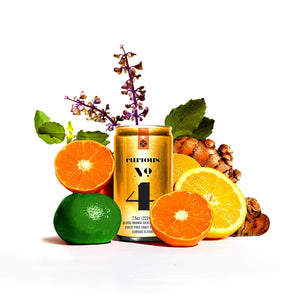
- Rooted in Curious Elixir No. 4: We chose holy basil for its history and purpose, and it now helps shape the character of every bottle of Curious No. 4.
Ask someone to picture a leafy green herb and basil probably comes to mind, tucked between tomatoes on a caprese plate. But there is another basil entirely, one that Ayurvedic healers have revered for thousands of years, not for its flavor alone but for what it has long been associated with for body and mind. So what is holy basil, really, and why does it show up in a bottle designed for sipping rather than simmering?
We have spent years studying botanicals with the kind of care most people reserve for fine wine, working alongside herbalists and food scientists to bring ancient plants into modern glassware. As pioneers in the nonalcoholic craft cocktail space, we do not add ingredients for novelty. Every root, herb, and adaptogen in our lineup earns its place through tradition and purpose, crafted in small batches for a community that wants more from what they sip.
In this piece, we walk you through what holy basil is, how it differs from its culinary cousin, and why it belongs in your glass, informed in part by our own Adaptogen Drinks Guide: Why More People Are Skipping Alcohol.
Holy Basil Vs. Basil: What Actually Makes Tulsi Different
The confusion is fair. Both plants share a name, a fragrant leaf, and a spot in the mint family, so it makes sense that people assume they are interchangeable. But when you compare the two side by side, the differences reveal themselves quickly. Culinary basil is grown for taste, prized for its sweet, slightly peppery bite in sauces and salads. Holy basil, known as tulsi in its native India, is grown for what it offers beyond flavor.
Tulsi carries a peppery, clove-like warmth with a hint of mint, more herbal and complex than the basil you might grow on a windowsill. In Ayurvedic tradition, it is treated less like a garnish and more like a daily ritual, steeped, chewed, or sipped for the way it makes you feel. In fact, holy basil tea benefits are often the very first way people encounter this plant, long before it ever finds its way into a glass like ours.
That distinction matters here. When we chose tulsi for our lineup, we were not reaching for a familiar flavor. We were reaching for a plant with centuries of purpose behind it.

Tulsi As An Adaptogen: The "Queen Of Herbs" In Ayurveda
In Ayurveda, tulsi holds a title that few plants earn: Rasayana, meaning an herb that supports the body's overall balance. This standing is not a modern marketing invention but a reputation built over thousands of years of use across Indian households and healing traditions. The tulsi adaptogen reputation is not a modern label either, but a role this plant has played for centuries, and it comes down to three distinct parts of that story:
A Sacred Plant First, A Remedy Second
Long before tulsi entered wellness conversations, it grew in courtyards across India as a spiritual fixture, tended daily and treated with quiet reverence. Its use as a calming, grounding herb grew directly out of that sacred context, not the other way around. You are not just sipping a plant with a nice reputation. You are sipping something that generations have trusted as part of daily life for centuries.
One Of Many Adaptogens, With Its Own Signature
Tulsi belongs to a broader family of adaptogenic plants, herbs traditionally used to help the body find a sense of balance. We explore this category more deeply in All Hail Adaptogens: Plant-based Body Boosters. What sets tulsi apart within that family is its specific, centuries-old association with mental clarity and a settled, steady sense of calm.
Why Tradition Still Matters Today
We did not choose tulsi simply because adaptogens are trending in wellness circles right now. We chose it because its long history gave us genuine confidence in what it could offer someone like you. When a plant has supported daily rituals for this long, it earns its place in a glass built around real intention.

Tulsi Benefits And How Curious Elixir No. 4 Brings Them To Your Glass
By now you understand where tulsi comes from and why it holds such a respected place in Ayurvedic tradition. The next question is simpler: what does that mean for you, in the moment you actually take a sip. Here is how those qualities show up in your glass, and how Curious Elixir No. 4 was built around them:
A Sense Of Calm You Can Actually Taste
Tulsi is traditionally valued for helping you unwind, and that quality carries through in every bottle of Curious No. 4. The herb's warm, slightly peppery profile softens the citrus brightness of blood orange, creating a sip that feels grounding rather than sugary or sharp. You are not just tasting complexity for the sake of it. You are tasting a plant chosen specifically for how it makes you feel, sip after sip.
Balance, Not Just Flavor
Beyond taste, tulsi is traditionally used to support a sense of balance within the body, which is exactly why it earned a place in our recipe. In Curious No. 4, it works alongside American ginseng and holy basil's fellow adaptogens to round out the full experience, so the drink feels considered rather than random or thrown together. Nothing here is filler. Every botanical is chosen with intention and earns its spot in the glass.
A Ritual Worth Repeating
What makes tulsi worth noticing is not a single sip but the pattern that forms over time. When an evening pour helps you reset instead of unravel, that becomes something you find yourself returning to again and again. Curious No. 4 was designed for exactly that kind of repeat ritual, one rooted in real botanicals and centuries of tradition rather than empty promises or passing trends.

Final Thoughts
Holy basil is not a passing wellness trend. It is a plant with thousands of years of history behind it, distinct from its culinary namesake and rooted in a tradition that valued balance long before that word became a buzzword. From its sacred beginnings in Indian households to its place among other respected adaptogens, tulsi has earned its reputation the slow way, through generations of use rather than a single viral moment. If you are curious about how other botanicals stack up, our Best Adaptogenic Drinks for Stress Relief guide is a good place to keep the exploration going.
That is exactly why we built Curious Elixir No. 4 around it, and why tulsi earned its place in our approach to nonalcoholic drinking. If this kind of botanical curiosity speaks to you, our Curious Cocktail Club is a fitting next stop, offering a rotating taste of the herbs and roots we find worth building a glass around. Here is to a sip that gives you something back.
If you have a specific health condition, take medication, or are pregnant or lactating, be sure to consult with your doctors and health professionals before consuming ingredients that are new to your diet.
Frequently Asked Questions About What Holy Basil Is
Is tulsi the same thing as holy basil?
Yes, tulsi is simply the Sanskrit and Hindi name for holy basil, the sacred plant central to Ayurvedic tradition.
What are the benefits of holy basil tea?
Holy basil tea benefits are traditionally tied to helping you unwind and settle into a sense of calm at the end of the day.
Does holy basil contain caffeine?
No, holy basil is naturally caffeine-free, which is part of why it fits so naturally into an evening ritual.
What does holy basil taste like?
On its own, holy basil carries a warm, peppery, almost clove-like flavor with a cooling hint of mint underneath.
Can I drink holy basil every day?
Many people build holy basil into a daily rhythm, though it is always worth checking with your doctor before adding anything new to your routine.
Is holy basil the same as tulsi supplements sold in stores?
Tulsi supplements are typically concentrated extracts of the same plant, while our approach weaves holy basil extract into a sipping experience.
Where can I try holy basil for myself?
You can taste it firsthand in Curious Elixir No. 4, or sample it alongside other botanicals through the Curious Cocktail Club.
Educational information only. This article is for informational purposes and is not medical advice. It was not written or reviewed by a doctor or other licensed healthcare professional. Herbs and adaptogens can affect people differently and may interact with medications. If you're pregnant, nursing, taking medication, or managing a health condition, talk with your healthcare provider before trying something new.
These statements have not been evaluated by the Food and Drug Administration. These products are not intended to diagnose, treat, cure, or prevent any disease.