Key Takeaways:
- Sleep Disruption: Alcohol may help you fall asleep faster, but it reduces deep and REM sleep needed for true restoration.
- Next-Day Impact: Poor sleep from drinking can affect mood, energy, and cravings the following day.
- Better Rituals: Swapping alcohol for botanical, nonalcoholic options supports a more balanced and intentional wind-down.
Evenings have their own rhythm. The lights soften, conversations slow, and your body starts to ask for rest in quieter ways. For many, that final drink of the night feels like part of the ritual, a signal that the day is done. But what you sip in those last hours can shape how deeply you rest and how clearly you wake.
We have spent years reimagining what a nightcap can be. At Curious Elixirs, we craft booze-free cocktails in small batches using organic ingredients, herbs, and botanicals that bring depth, complexity, and intention to every glass. Our blends are designed for people who want the full experience of a cocktail moment while staying present, clear, and connected to how they feel the next day.
In this piece, we will be discussing how alcohol affects sleep, what is really happening in your body at night, and what you can drink instead to support a more restful and intentional wind-down.
The Nightcap Myth: Does Alcohol Really Help You Sleep?
There is something undeniably romantic about a nightcap. The low lighting, the quiet exhale after a long day, the slow sip signaling that you have officially arrived at rest. It feels like a ritual that should lead you gently into sleep. For years, many of us have believed that alcohol is a shortcut to drifting off, a liquid lullaby that softens the edges of a busy mind. It is no surprise that the question does alcohol help you sleep continues to linger in late-night conversations and quiet Google searches alike.
The truth is a little less poetic. Alcohol can make you feel drowsy at first, but that initial wave of relaxation is more of a disguise than a solution. As your body begins to process it, your natural sleep cycle gets disrupted. Instead of easing you into deep, restorative rest, alcohol nudges your body into a fragmented rhythm. You may fall asleep faster, but the quality of that sleep tells a different story, one that often leaves you tossing, turning, or waking up far earlier than you intended.
We like to think of rest as something we can pour into a glass, but real rest asks for something more intentional. It asks for a rhythm your body can trust, a ritual that supports you rather than interrupts you. The good news is you do not have to give up the pleasure of a nighttime sip to get there. You simply get to choose something that loves your sleep back.

What Happens In Your Body After A Drink Before Bed
Alcohol has a way of making everything feel softer, slower, and a little more manageable at the end of the day. But beneath that calm surface, your body is doing quite a bit of work to process what you just poured into it. That quiet activity shapes your night more than you might expect.
The Sedative Effect That Isn’t Real Rest
At first, alcohol acts like a sedative, which is why drifting off can feel easier after a drink. Your nervous system slows, your thoughts feel less sharp, and sleep seems to arrive quickly. But this is not the same as natural sleep, and it does not guide you into the deeper, more restorative stages your body craves.
Your Sleep Cycle Gets Interrupted
As your body metabolizes alcohol, your internal rhythm begins to shift. Instead of moving smoothly through sleep stages, you are more likely to experience disruptions later in the night. This is where alcohol and sleep quality quietly part ways, leaving you with a night that looks full on paper but feels incomplete in the morning.
More Wake-Ups, Less Deep Sleep
You may not always remember waking up, but your body does. Alcohol reduces the amount of deep and REM sleep you get, which are essential for feeling restored. The result is often a pattern of lighter sleep and subtle wake-ups that make sleep after drinking feel more like a series of interruptions than true rest.
Why Your Sleep Quality Takes A Hit (Even If You Fall Asleep Faster)
Falling asleep quickly can feel like a win, especially after a long, full day. But speed is not the same as depth, and your body knows the difference. What unfolds after that initial drift is where the real story of your night begins.
Deep Sleep Gets Shortchanged
Your body relies on deep sleep to repair, restore, and reset. Alcohol reduces the time you spend in this crucial stage, quietly limiting your body’s ability to do its overnight maintenance. You may log enough hours in bed, but without enough deep sleep, you wake up feeling like something is missing.
REM Sleep Becomes Disrupted
REM sleep is where dreams live and where emotional processing unfolds. After drinking, this stage often gets delayed or reduced, which can leave your mind feeling foggy or unsettled the next day. Over time, this imbalance can chip away at your sense of clarity and ease.
Your Body Stays Slightly On Edge
Even as you sleep, your body is still working to process alcohol, which can raise your heart rate and create subtle internal stress. Instead of fully settling into rest, your system remains lightly activated. This underlying tension is one of the quiet reasons your night feels less restorative, even if you cannot quite put your finger on why.

The Next-Day Effects You Can’t Ignore
Morning has a way of telling the truth your night tried to soften. Even if the evening felt relaxed and easy, your body keeps score in quieter ways. What you notice the next day is often the echo of how well you actually rested.
That Heavy, Unrefreshed Feeling
You wake up, but you do not feel awake. Your body might feel heavier, your mind slower to start, like you are moving through a softer version of yourself. This is often the result of disrupted sleep cycles that never quite gave you the reset you needed.
Mood Feels Slightly Off
Sleep and mood are deeply intertwined, and even subtle disruptions can shift your emotional baseline. You may feel more irritable, less patient, or just not fully yourself. It is not dramatic, but it is noticeable in the way small things land a little harder than usual.
Cravings And Energy Swings
When your sleep is off, your body looks for quick ways to compensate. That can show up as stronger cravings, especially for sugar or caffeine, along with dips and spikes in energy throughout the day. This is where the contrast with alcohol-free sleep benefits becomes clear, as more balanced rest often leads to steadier energy and fewer cravings. To see the full picture of what changes when you drink less, explore the health benefits of drinking less and what your body stands to gain.
What To Drink Instead For A More Restful Night
The ritual of a nightcap is worth keeping, just with a little more intention behind what is in your glass. You still get the dim lighting, the exhale, the quiet moment that signals the day is done. The difference is choosing something that works with your body instead of quietly against it.
A Sip That Supports The Wind-Down
Instead of relying on alcohol’s short-lived sedative effect, reach for something that invites your body to ease into rest naturally. Botanical blends with ingredients like herbs, roots, and citrus can create that same sense of transition without disrupting your rhythm. It becomes less about knocking yourself out and more about guiding yourself into rest.
Flavor That Feels Like A Ritual, Not A Compromise
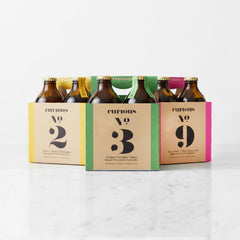
A good evening drink should feel layered, a little mysterious, and worth savoring. Curious Elixirs are crafted to bring that same complexity you expect from a cocktail, with profiles that lean bittersweet, spiced, or floral depending on your mood. Curious No. 5 offers a rich, warming experience with notes of smoked cherry and chocolate, while Curious No. 3 leans crisp and refreshing with juniper and cucumber — both designed to be sipped slowly and intentionally. Please note: Curious No. 3 contains ashwagandha and is not recommended for those who are pregnant. Ready to take it further? Our five proven tips to cut back on drinking and guide to living an alcohol-free lifestyle are both good places to start.
Functional Ingredients With A Gentle Touch
Many of our blends include thoughtfully chosen botanicals and nootropics that help you settle into the evening with a sense of calm and balance. The focus is always on how you feel, not on bold claims or quick fixes, but on creating a moment that supports your body’s natural rhythm. If you have a specific health condition, take medication, or are pregnant or lactating, be sure to consult with your doctors and health professionals before consuming ingredients that are new to your diet. To learn more about the ingredients behind these blends, our adaptogen drinks guide breaks down how these botanicals work and why they belong in your evening ritual.

Final Thoughts
A nightcap should feel like a soft landing, not a trade-off you have to think about the next morning. When you choose a drink that supports your natural rhythm, you keep the ritual while gaining something deeper in return, a kind of rest that lingers into your waking hours. That shift is subtle, but powerful, and it changes how your nights feel and how your days begin.
So go ahead and romanticize your evenings. Pour something beautiful into your favorite glass, add a slice of citrus or a sprig of something fresh, and let the moment be yours. If you are curious to explore what that could look like, the Curious Cocktail Club offers a rotating selection designed to keep your rituals interesting, layered, and entirely your own. And if you are wondering what it might feel like to lean into that curiosity a little more, how sober curiosity will transform your life explores just that.
Frequently Asked Questions: How Alcohol Affects Your Sleep
How long before bed should you stop drinking alcohol for better sleep?
Ideally, you would stop drinking at least three to four hours before going to bed. This gives your body enough time to metabolize alcohol and reduces the likelihood of nighttime disruptions. The closer alcohol is consumed to bedtime, the more it interferes with your natural sleep rhythm.
Can one drink still affect your sleep?
Yes, even a single drink can influence your sleep cycle. While the effects may feel subtle, your body still processes alcohol in ways that can reduce the depth and consistency of your rest. Sensitivity varies, but even light intake can shift how restorative your night feels.
Why do some people wake up at 3 AM after drinking?
This often happens as alcohol leaves your system and your body rebounds from its initial sedative effect. Your nervous system becomes more active, which can lead to sudden wakefulness in the early morning hours. It is your body trying to regain balance.
Does alcohol affect dreams?
Alcohol can suppress REM sleep early in the night and then cause a rebound later. This may lead to more vivid or fragmented dreams toward the morning. Some people also report more intense or unusual dream patterns after drinking.
Is red wine better for sleep than other types of alcohol?
Red wine is often perceived as more relaxing, but it still affects sleep in similar ways as other alcoholic beverages. The differences are more about perception than actual sleep benefits. Your body processes ethanol similarly regardless of the source.
What habits improve sleep without relying on alcohol?
Simple rituals can make a meaningful difference, like dimming lights in the evening, limiting screen time, and choosing calming beverages. Consistency matters more than intensity, and small shifts can support a more reliable sleep pattern over time.
Are nonalcoholic evening drinks satisfying enough to replace a nightcap?
They can be, especially when they are crafted with complexity and intention. A well-made nonalcoholic elixir brings layers of flavor, aroma, and experience that mirror the ritual of a traditional cocktail. The key is choosing something that feels like a moment, not an afterthought.
Disclaimer: If you have a specific health condition, take medication, or are pregnant or lactating, be sure to consult with your doctors and health professionals before consuming ingredients that are new to your diet.